Reliable Mine Vehicle Parts for Mining Use
Mining operations demand robust and dependable equipment to maintain productivity and safety. Among the critical elements ensuring smooth mining activities are the mine vehicle parts that support the heavy machinery used underground and on the surface. These components must withstand harsh environments, heavy loads, and continuous operation. This article explores the essential vehicle parts for mines, their significance, and how selecting reliable components can enhance operational efficiency and sustainability.
Understanding the Importance of Mine Vehicle Parts
Mining vehicles operate in some of the most challenging conditions imaginable. Dust, moisture, extreme temperatures, and abrasive materials all contribute to accelerated wear and tear. Therefore, the quality and reliability of mine vehicle parts directly impact the lifespan and performance of mining equipment.
Key vehicle parts include:
Hydraulic systems that control movement and lifting
Engine components designed for high torque and durability
Brake systems ensuring safety on steep and uneven terrain
Suspension systems that absorb shocks and maintain stability
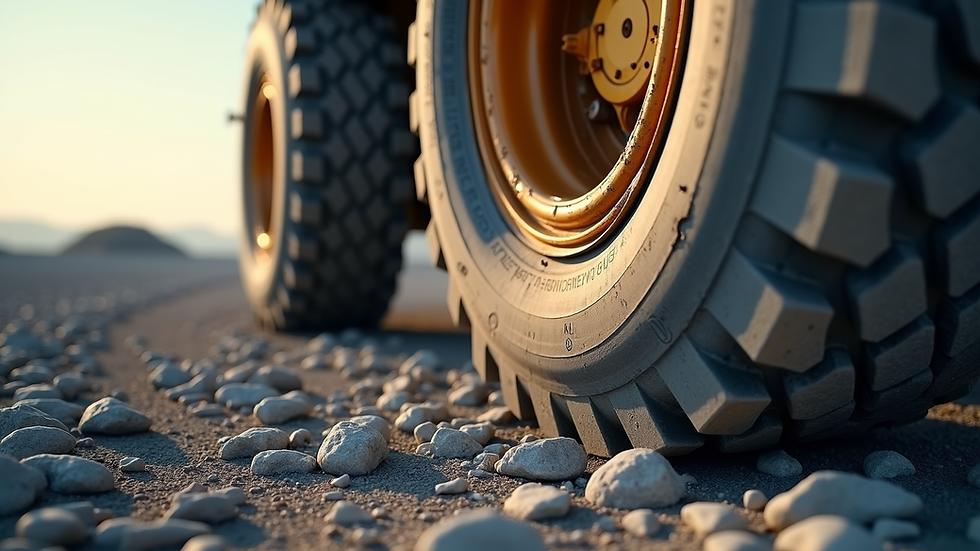
Tires and tracks engineered for traction and longevity
Each part must be engineered to meet stringent standards. Failure of any component can lead to costly downtime, safety hazards, and reduced productivity. For industrial leaders in South Africa, sourcing dependable parts is not merely a choice but a necessity to maintain competitive advantage and operational continuity.
Key Considerations When Selecting Mine Vehicle Parts
Selecting the right mine vehicle parts requires a comprehensive understanding of the operational environment and the specific demands placed on each component. Several factors should guide procurement decisions:
Durability and Material Quality
Components must be made from materials that resist corrosion, abrasion, and fatigue. For example, steel alloys with high tensile strength are preferred for structural parts, while rubber compounds for tires must balance toughness with flexibility.
Compatibility and Standardisation
Parts should be compatible with existing machinery to avoid costly modifications. Standardised components simplify maintenance and inventory management.
Supplier Reliability and Support
Partnering with suppliers who provide technical support, warranties, and timely delivery ensures minimal disruption.
Cost-effectiveness Over Lifecycle
Initial cost is important, but total cost of ownership, including maintenance and replacement frequency, must be considered.
Compliance with Safety and Environmental Regulations
Components must meet local and international standards to ensure safe operation and environmental stewardship.
By focusing on these considerations, mining operations can optimise their equipment performance and reduce unexpected failures.
What are the components of a mine hoist?
Mine hoists are critical for transporting personnel, equipment, and extracted materials between the surface and underground levels. The reliability of hoist components directly affects operational safety and efficiency. The main components of a mine hoist include:
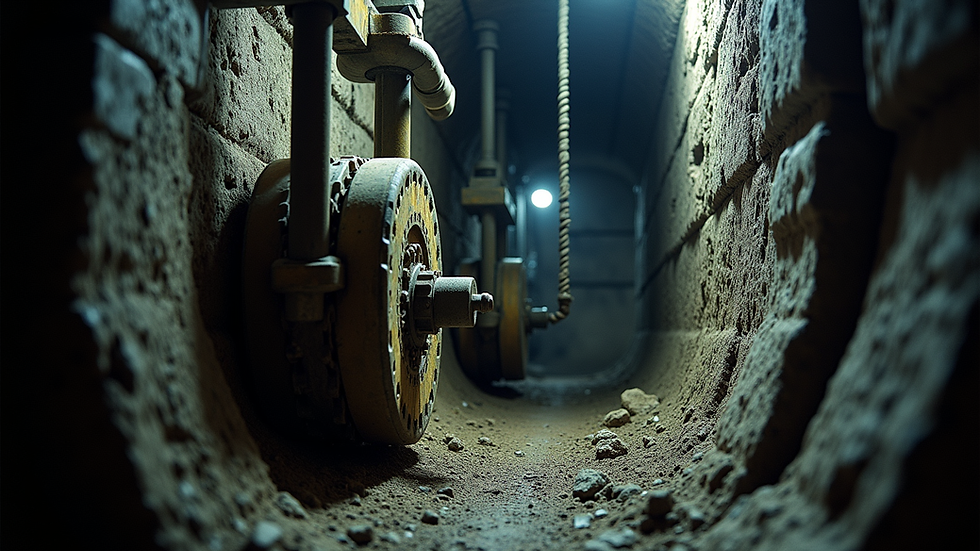
Drum or friction wheel: The drum winds the hoisting rope, while friction wheels use friction to move the rope.
Hoisting ropes: High-strength steel cables designed to carry heavy loads.
Sheaves and pulleys: Guide the ropes and reduce friction.
Brake system: Ensures controlled stopping and holding of loads.
Motor and gearbox: Provide the power and torque necessary for hoisting.
Control system: Manages speed, direction, and safety interlocks.
Each component must be maintained meticulously. For example, hoisting ropes require regular inspection for wear and corrosion, while brakes must be tested frequently to guarantee responsiveness. Investing in high-quality components and preventive maintenance reduces the risk of accidents and costly downtime.
Enhancing Operational Efficiency with Integrated Solutions
In modern mining operations, integrating vehicle components with digital monitoring and management systems is becoming increasingly important. Real-time data on component performance allows for predictive maintenance, reducing unexpected failures and extending equipment life.
For instance, sensors embedded in hydraulic systems can detect pressure drops or leaks early. Similarly, tire pressure monitoring systems help maintain optimal traction and reduce wear. These technologies enable mining companies to:
Schedule maintenance proactively
Minimise unplanned downtime
Optimise parts inventory
Improve safety compliance
Industrial leaders in South Africa can benefit from partnering with solution providers that offer integrated procurement, accounting, and health & safety compliance services. Such partnerships streamline operations and support sustainable success.
Best Practices for Maintaining Mine Vehicle Parts
Proper maintenance is essential to maximise the lifespan and reliability of mine vehicle parts. Recommended practices include:
Regular Inspections: Conduct visual and technical inspections according to manufacturer guidelines.
Lubrication and Cleaning: Keep moving parts lubricated and free from dust and debris.
Timely Replacement: Replace worn or damaged components promptly to avoid cascading failures.
Training Personnel: Ensure operators and maintenance staff are trained in correct handling and servicing procedures.
Documentation and Record-Keeping: Maintain detailed records of maintenance activities and parts usage for audit and planning purposes.
Adhering to these practices helps maintain operational continuity and safety, which are paramount in mining environments.
The Role of Quality Vehicle Components in Sustainable Mining
Sustainability in mining extends beyond environmental concerns to include economic and operational sustainability. Reliable vehicle components contribute to this by:
Reducing waste through longer-lasting parts
Minimising energy consumption by ensuring efficient machinery operation
Enhancing safety, thereby reducing accidents and associated costs
Supporting compliance with regulatory requirements
By investing in high-quality components and integrated management solutions, mining operations can achieve a balance between productivity and sustainability.
For those seeking dependable vehicle components for mines, partnering with a trusted supplier that understands the unique challenges of the South African mining sector is essential.
Advancing Mining Operations with Strategic Component Procurement
Strategic procurement of mine vehicle parts is a critical factor in advancing mining operations. It involves:
Assessing operational needs and equipment specifications
Evaluating supplier capabilities and product quality
Negotiating contracts that include service and support
Implementing inventory management systems to avoid shortages or excess stock
This approach ensures that mining companies maintain a steady supply of essential components, reduce costs, and improve equipment uptime.
In conclusion, the selection, maintenance, and management of mine vehicle parts are fundamental to the success of mining operations. By prioritising reliability, compatibility, and sustainability, industrial leaders can enhance operational efficiency and secure long-term success in the demanding mining environment of South Africa.

Comments