Choosing Reliable Industrial Hard Hats
In the realm of heavy industry, safety is paramount. One of the most critical components of personal protective equipment (PPE) is the industrial hard hat. Selecting a reliable hard hat is not merely a regulatory requirement but a vital investment in the well-being of workers and the continuity of operations. This article explores the essential factors to consider when choosing industrial hard hats, ensuring that safety standards are met without compromising comfort or functionality.
Understanding the Importance of Industrial Hard Hats
Industrial hard hats serve as the first line of defense against head injuries caused by falling objects, electrical hazards, and impacts. Their design and material composition are engineered to absorb shock and prevent penetration, thereby reducing the risk of serious injury. In industries such as construction, mining, and manufacturing, where the risk of head trauma is significant, the choice of a hard hat can be life-saving.
The standards governing hard hats, such as those set by the South African Bureau of Standards (SABS) and international bodies like ANSI and ISO, provide guidelines on performance and testing. Compliance with these standards ensures that the hard hats can withstand specific impact forces and environmental conditions.
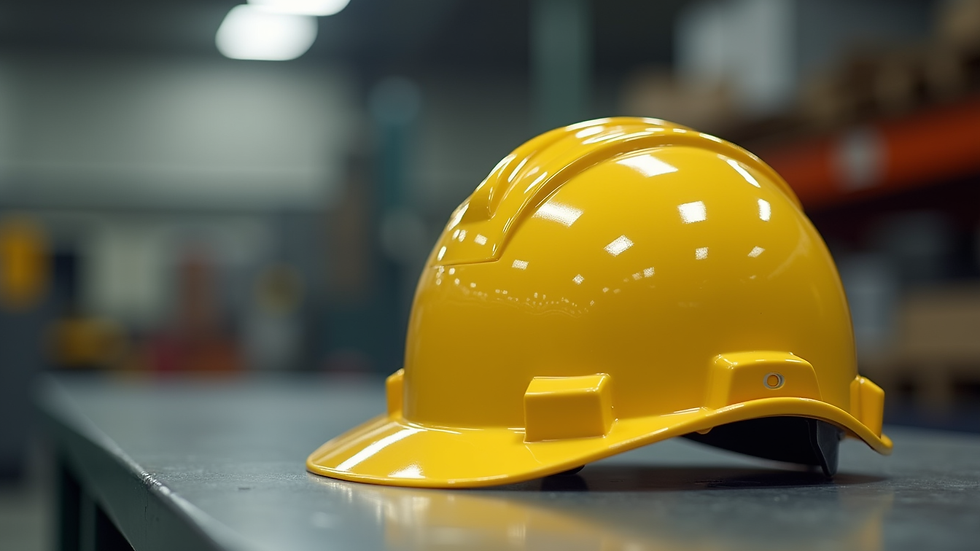
Key Features to Consider in Industrial Hard Hats
When selecting industrial hard hats, several features must be evaluated to ensure they meet the demands of the work environment:
Material Quality: Hard hats are typically made from high-density polyethylene (HDPE), fiberglass, or thermoplastic resin. HDPE is lightweight and durable, making it suitable for most industrial applications. Fiberglass offers superior heat resistance, ideal for environments with high temperatures.
Suspension System: The internal suspension system distributes the force of an impact evenly around the head. Adjustable suspensions improve fit and comfort, reducing fatigue during long shifts.
Electrical Insulation: For workers exposed to electrical hazards, hard hats with non-conductive properties are essential. These hats are tested to withstand specific voltage levels, providing protection against electrical shocks.
Ventilation: Proper ventilation enhances comfort by allowing airflow, which is crucial in hot climates or physically demanding tasks.
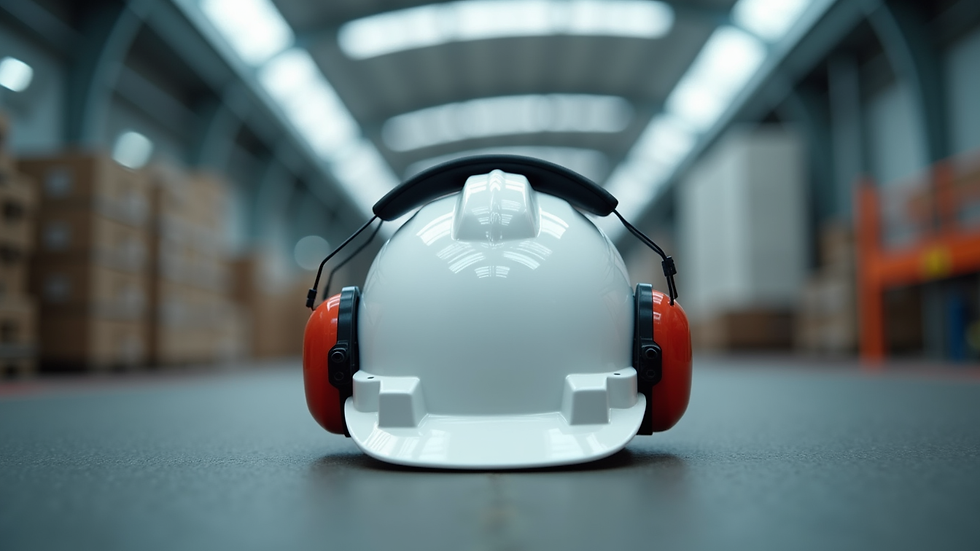
Accessory Compatibility: Many industrial tasks require additional PPE such as face shields, earmuffs, or headlamps. Hard hats designed with accessory slots or mounts facilitate the integration of these items without compromising safety.
Colour Coding: Some industries use colour coding to designate roles or levels of authority on site. Selecting hard hats available in various colours can aid in quick identification and communication.
Selecting Industrial Hard Hats for South African Heavy Industry
The South African industrial sector presents unique challenges, including diverse climatic conditions and stringent safety regulations. It is imperative to choose hard hats that not only comply with local standards but also address environmental factors such as heat, dust, and humidity.
Industrial leaders should prioritise hard hats that have been tested and certified by recognised bodies, ensuring reliability and durability. Additionally, sourcing from suppliers who understand the regional context can provide tailored solutions that enhance operational efficiency.
For businesses seeking to procure reliable safety equipment, exploring options for an industrial hard hat for sale through trusted partners can streamline the acquisition process. This approach supports compliance and promotes worker safety without unnecessary delays.
Maintenance and Inspection of Industrial Hard Hats
The longevity and effectiveness of industrial hard hats depend significantly on proper maintenance and regular inspection. Hard hats should be inspected daily for signs of damage such as cracks, dents, or degradation of the suspension system. Exposure to chemicals, sunlight, and extreme temperatures can weaken the materials, necessitating timely replacement.
Employers should establish protocols for cleaning hard hats using mild soap and water, avoiding harsh chemicals that may compromise the integrity of the helmet. Storage in a cool, dry place away from direct sunlight will extend the service life of the hard hats.
Training workers on the correct use and care of their hard hats is equally important. This ensures that the equipment performs as intended and that any issues are promptly reported and addressed.
Enhancing Safety Culture Through Reliable PPE
Investing in reliable industrial hard hats is a critical step towards fostering a robust safety culture within heavy industry operations. When workers trust their protective equipment, they are more likely to adhere to safety protocols and perform their duties with confidence.
Moreover, integrating high-quality PPE into procurement strategies aligns with broader organisational goals of operational efficiency and sustainable success. By streamlining the acquisition of compliant and durable hard hats, businesses can reduce downtime caused by injuries and improve overall productivity.
In conclusion, the selection of industrial hard hats should be approached with careful consideration of material quality, compliance standards, environmental suitability, and maintenance practices. These factors collectively contribute to safeguarding workers and supporting the long-term success of industrial enterprises.

Comments